Many office managers focus on visible cleanliness but overlook what’s trapped inside carpets. This blog explains how routine professional carpet cleaning reduces allergens, dust, and pollutants, leading to healthier indoor air, fewer sick days, and a more comfortable workplace.
-
Carpets Trap More Than Just Dirt
Office carpets collect dust, pollen, skin cells, food particles, and microscopic pollutants every day. Over time, these contaminants build up deep in the fibres and can be released back into the air with every footstep, affecting the air quality your employees breathe.
-
Vacuuming Alone Isn’t Enough
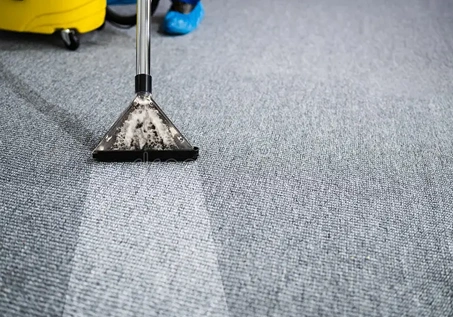
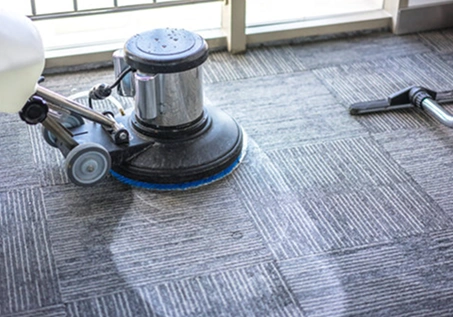
Regular vacuuming removes surface debris but cannot reach deeply embedded soil, allergens, and bacteria. Professional carpet cleaning uses hot water extraction and specialized equipment to pull out contaminants that standard vacuums leave behind.
-
Reduced Allergens and Respiratory Irritants
Dust mites, pet dander, mould spores, and pollen often accumulate in carpets and can trigger allergies and asthma. Deep cleaning significantly reduces these irritants, helping create a healthier environment for sensitive employees and visitors.
-
Odour Control and a Fresher Workspace
Spills, food crumbs, and everyday use can cause carpets to develop unpleasant odours over time. Professional cleaning removes the source of these smells rather than masking them, leaving your office smelling fresher and more inviting.
-
Extended Carpet Life and Lower Replacement Costs
When dirt and grit remain in carpet fibres, they act like tiny abrasives that wear down the material faster. Regular deep cleaning removes these particles, helping your carpets last longer and reducing long-term replacement expenses.
-
Supporting Employee Health and Productivity
Cleaner air means fewer respiratory issues, headaches, and allergy symptoms among staff. A healthier workplace can lead to improved focus, reduced absenteeism, and higher overall productivity.
-
How Often Should Office Carpets Be Cleaned?
Most offices benefit from professional carpet cleaning at least twice a year, with high-traffic areas cleaned more frequently. Your ideal schedule depends on foot traffic, location, and any specific health or sustainability goals your business has.